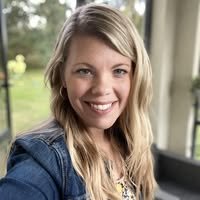
Get to Know Natasha: The Midwife Behind the Care
A little about Natasha’s journey, her approach to midwifery, and the things that make her who she is.
1. Let’s start at the beginning. How did you end up in nursing, and when did you realize you wanted to become a midwife?
My journey into midwifery started when I was just 18 years old. I had the incredible opportunity to attend the homebirth of my aunt’s eighth baby in Virginia, with a traditional midwife. I helped the midwife during the birth, and I remember having this huge lightbulb moment. I was absolutely fascinated by birth and knew that I wanted to be a part of it.
At the time, I was already attending Florida State University, so I started researching the path to becoming a midwife. I ultimately changed my major to nursing, knowing that my long-term goal was to become a Certified Nurse Midwife. Looking back, that experience was the beginning of a career that has become such a meaningful part of my life.
2. Before becoming a midwife, you worked in mother-baby, newborn care, and labor & delivery. How do you think those experiences shaped the midwife you are today?
Working in mother-baby, newborn care, and labor and delivery gave me such a valuable foundation. I had the opportunity to care for families from all walks of life and experience so many different births, cultures, traditions, preferences, and personalities. I caught many babies throughout my nursing career, and I’m grateful for all of those experiences because they helped shape the provider I am today.
But even after all those years in the hospital, I felt like something was missing. I knew I wanted to continue catching babies, but I wanted to do it in an out-of-hospital setting where I could witness physiologic birth in a different way. I wanted to be part of a model of care that allowed birth to unfold naturally, without unnecessary intervention driven by fear or routine policies, and that truly trusted a woman's body and its ability to give birth. That desire is what ultimately led me to midwifery.
3. You’ve cared for women in several different birth settings. What have those experiences taught you about birth and about what women need from their providers?
One of the biggest things I’ve learned is that families want to feel heard, respected, and genuinely cared for. They want a provider they can trust, someone who will take the time to listen to their concerns, answer their questions, and give them the space to make informed decisions about their care.
Having worked in both hospital and out-of-hospital settings, I’ve seen firsthand how much the environment and model of care can influence a family's experience. In a traditional medical model, appointments can be short and providers are often juggling busy schedules. Sometimes, even when everyone has the best intentions, there just isn't enough time to have the meaningful conversations families need.
I believe that building trust starts with listening. When families feel comfortable asking questions and know that their voices matter, it creates a much stronger foundation for the entire birth experience.
4. What do you love most about being a midwife?
Witnessing people become parents. There is something so incredibly special about being invited into such an intimate, life-changing moment. Whether it’s a family's first baby or their fifth, every birth is unique, and I never take for granted the privilege of being there. Watching someone meet their baby for the first time and seeing that transition into parenthood is one of the most rewarding parts of my job.
5. How would you describe yourself as a provider? What do you hope women feel when they’re in your care?
I would describe myself as very real, honest, and straightforward. I’m not someone who is going to sugarcoat things just to make a conversation more comfortable. I believe families deserve honest information, clear communication, and recommendations grounded in evidence—not pressure, persuasion, or someone else's personal opinions.
My goal is to help clients feel empowered to make informed decisions about their care. I want them to know that they can ask me anything, even if it's difficult or uncomfortable, and that they will receive an honest answer. Above all, I hope every person in my care feels respected, supported, and confident that they have someone in their corner who genuinely wants what's best for them.
6. What is something about pregnancy, birth, postpartum, or women’s health that you find yourself talking about or teaching all the time?
Ask questions and do your research! I really encourage families to be curious about their care and to take an active role in their healthcare decisions. Don't be afraid to ask why something is being recommended, what your options are, or what the benefits and risks might be.
There is so much information available these days, and while that can be a wonderful resource, it can also feel overwhelming. I encourage clients to look for reliable, evidence-based information and to have open conversations with their providers. You deserve to understand your options and feel confident about the decisions you make for yourself and your family.
7. Is there anything about midwifery that surprised you once you actually became a midwife?
How many babies seem to have a strong preference for being born in the middle of the night! I knew babies could come at any hour, of course, but experiencing just how often those overnight arrivals happen is something else entirely. Apparently, babies don't pay much attention to our sleep schedules!
8. What do you think people commonly misunderstand about midwives or midwifery care?
I think one of the biggest misconceptions is that midwives and doulas do the same job. While both play important roles in supporting families through pregnancy and birth, their responsibilities are actually very different.
As a Certified Nurse Midwife, I provide medical care throughout pregnancy, birth, and postpartum. I'm responsible for clinical assessments, monitoring the health and well-being of both parent and baby, identifying potential complications, and helping families navigate medical decisions and any changes in their care.
Doulas provide a different, equally valuable kind of support. They are trained in continuous emotional and physical support, comfort measures, positioning, and helping families prepare for the birth experience. They can be an incredible resource for pain-coping techniques, encouragement, and reassurance throughout labor.
The two roles complement each other beautifully. Having both a midwife and a doula can give families the benefit of clinical expertise alongside dedicated, continuous emotional and physical support.
9. When you’re not catching babies or taking care of women, who is Natasha? Tell us a little about your life outside of work, your family, hobbies, things you love, or whatever feels most like you.
When I'm not working, there's a pretty good chance you'll find me surrounded by animals, cooking something delicious, or spending time with my family!
I'm a huge animal lover, and our home is basically a little zoo. We have two large dogs: a Great Dane and a German Shepherd, two kittens, two guinea pigs, fish, and a tortoise. There's never a dull moment around here!
I also really love to cook, and I'd like to think I'm pretty good at it. Cooking is something I genuinely enjoy, whether I'm making a meal for my family or experimenting with something new.
Music has also been a big part of my life. I played mellophone in marching band and oboe in concert band throughout high school and college, including my time at Florida State and UCF. Those experiences gave me a lifelong appreciation for music and being part of a team.
My family is my biggest joy. I have two daughters, ages 18 and 15, and I've been married to my high school sweetheart for almost 20 years! My husband served in the Navy, and before I went to midwifery school, we had the opportunity to travel all over the country, moving coast to coast with the Navy. We've had quite a few adventures together, and I love the life we've built.
10. What is one part of being a midwife that never gets old for you, no matter how many times you experience it?
Witnessing just how incredible and magical a woman's body is. No matter how many births I attend, I'm still amazed by the strength, resilience, and instinctive abilities of the human body. Every birth is different, and there's always something that leaves me in awe. It's a privilege to witness that process again and again, and I don't think it will ever lose its magic for me.
11. After a woman has been cared for by you, what do you hope she remembers about the experience?
More than anything, I hope she remembers feeling seen, heard, and safe. I want her to know that her voice mattered, that her concerns were taken seriously, and that she was supported throughout her journey.
Birth is such a personal and transformative experience, and while we can't always predict exactly how it will unfold, I hope every client walks away knowing that she was cared for with compassion, honesty, and respect. I want her to feel confident that she was an active participant in her care and that she had a team beside her who believed in her.
12. If someone is considering Living Waters but feels a little nervous about reaching out, what would you want her to know about you and about coming into our care?
First, I want you to know that it's completely okay to feel nervous or have a lot of questions when you're considering a midwife or a different kind of birth experience. You don't have to have everything figured out before reaching out, and you certainly don't need to know all the right questions to ask.
Stephanie and I bring experience from both hospital and out-of-hospital birth settings, which gives us a unique perspective on the different ways families can be cared for throughout pregnancy and birth. We understand that every family has different needs, hopes, and concerns, and we want to take the time to get to know you and understand what matters most to you.
Our goal at Living Waters is to provide care where you feel genuinely seen, heard, and safe. We want you to feel comfortable asking questions, sharing your concerns, and being an active part of your care. We would love the opportunity to meet you, hear your story, and talk about how we can support you on your journey into parenthood.