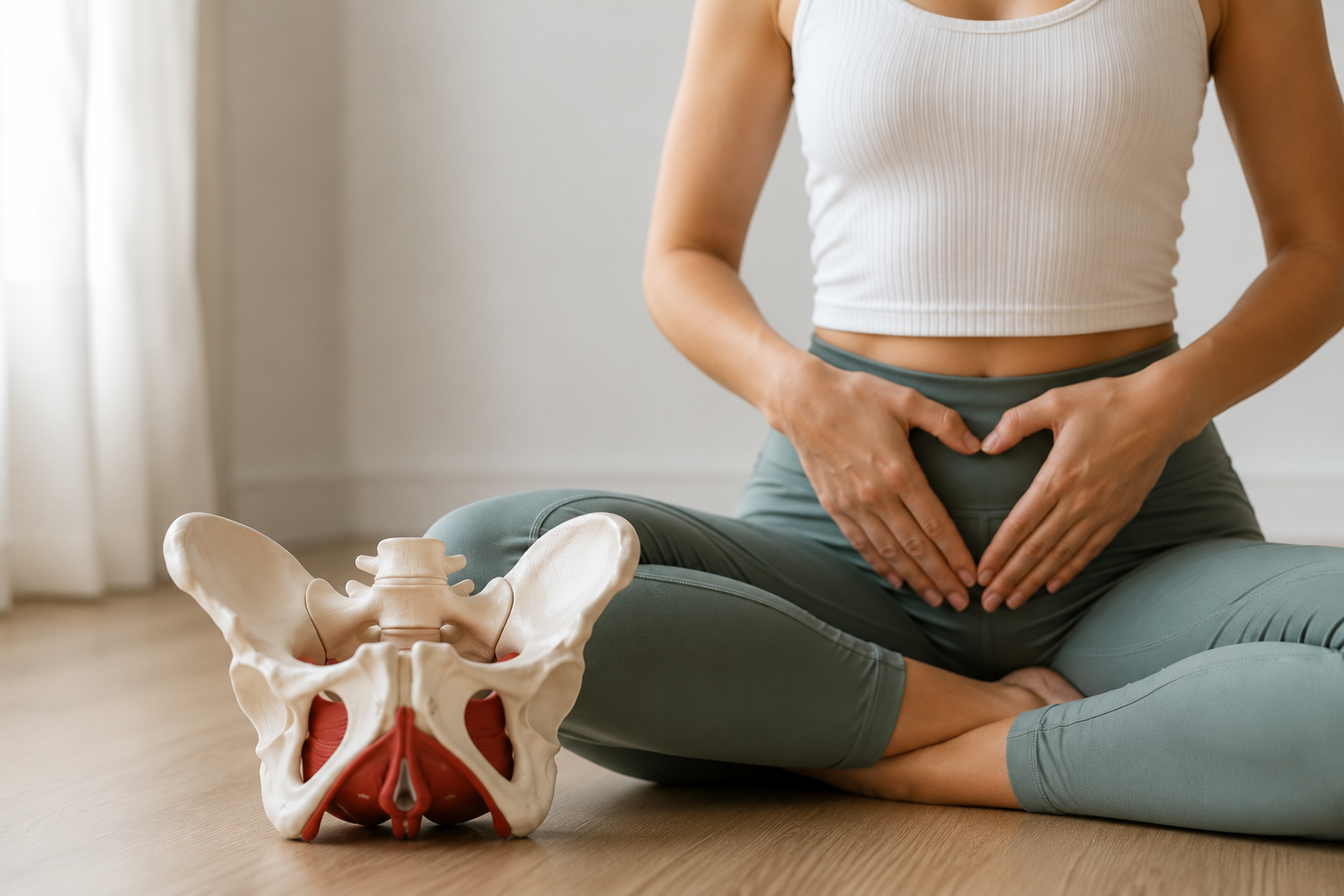
Why I Talk About the Pelvic Floor So Much
If you've been one of my clients, you've probably heard me talk about your pelvic floor.
Maybe more than once.
As a midwife, one of the things I've become increasingly passionate about over the years is pelvic floor health. I've had the privilege of working alongside many incredible pelvic floor physical therapists, and if there's one thing I've noticed, it's this:
I have never had a client tell me they regretted seeing a pelvic floor therapist during pregnancy or after birth.
I have, however, cared for many women who wished they hadn't waited.
For many women, the pelvic floor doesn't become something they think about until after they've had a baby, when they're leaking urine, dealing with pelvic pain, feeling pressure or heaviness, or struggling to return to the activities they love.
The truth is, your pelvic floor is so much more than just your bladder.
It is a group of muscles that supports your pelvic organs, works together with your abdominal muscles and diaphragm, helps stabilize your core, and plays an important role in pregnancy, birth, and postpartum recovery.
During pregnancy, your pelvic floor can influence your posture, movement, comfort, and even how your body creates space for your growing baby. I've seen pelvic floor therapists identify muscle tension, asymmetries, and movement patterns that may be contributing to discomfort or making it harder for a baby to settle into an ideal position. While every pregnancy is different, addressing those issues has, in some cases, helped create more favorable conditions for fetal positioning.
I've also witnessed pelvic floor therapists become an incredible part of a birth team. In situations involving prolonged prodromal labor or slow labor progress, I've seen their hands-on techniques and movement strategies help women relax, improve comfort, and support labor in ways that have been truly remarkable.
And then there's pushing.
Many people assume that preparing for birth means strengthening the pelvic floor. In reality, many women actually need to learn how to relax it.
Birth isn't simply about having strong muscles. It's about having muscles that know how to lengthen, coordinate, and work with your body.
That's one reason I often recommend birth preparation programs like Push Prep. Learning how to breathe, move, and coordinate your pelvic floor before labor can help women feel more confident, prepared, and connected to their bodies before birth.
The benefits don't end once your baby arrives.
Postpartum healing is about so much more than waiting six weeks for a checkup.
Pelvic floor therapy can help women recover from birth, address pelvic pain, improve core strength, support healing after tears, manage abdominal muscle separation (diastasis recti), improve bladder function, and help women return to exercise safely.
One of the biggest myths I hear is:
"It's normal after having kids."
It's true that many women experience leaking when they cough, sneeze, or laugh. Back pain, pelvic pressure, painful intercourse, abdominal separation, and feelings of weakness are also common.
But common does not necessarily mean normal.
Many of these symptoms can improve with proper evaluation and treatment.
I often tell my gynecology clients the same thing: your pelvic floor is not something to ignore. What may seem like a small inconvenience today can become a much bigger issue over time. Just because something is common doesn't mean you have to accept it as your new normal.
Pelvic floor therapy isn't only for women who have recently given birth.
It can benefit women during pregnancy, postpartum, after gynecologic surgery, throughout menopause, and even those who simply want to move through life with less pain and better function.
One of my favorite parts of being a midwife is connecting women with other professionals who are passionate about caring for them. We are fortunate to have some incredible pelvic floor specialists and resources in our community, and I've seen firsthand the difference they can make in pregnancy, postpartum recovery, and women's health. While this isn't an exhaustive list, these are some of the providers and resources I've recommended over the years:
• Elvie Pelvic Floor Trainer
• Pelvic Soul (Sujata Martin)
• The Blue Door Infant & Maternal Wellness (Alexis Hawks & Rachel Bender)
• Fourth Trimester Wellness (Rachel Madera)
• Bliss Pelvic Health (Chrissy Daigle)
• Potter Physical Therapy
• Pelvic Solutions
If you're pregnant, newly postpartum, or experiencing symptoms you've been told to "just live with," I encourage you to have a conversation with your provider about whether a pelvic floor evaluation may be right for you. You don't have to wait until something becomes severe to seek help.
Your pelvic floor deserves the same attention and care as every other part of your health. Sometimes one referral can change the way you experience pregnancy, birth, recovery, and even everyday life.